
Building with Integrity: How Reddit Engagement Dynamics Inform Frontend Development

Trust is fragile online. According to research from the Nielsen Norman Group, users judge the credibility of a website within seconds, often based on visual design and usability cues. That means a messy layout, confusing buttons, or hidden actions can break trust faster than a slow Wi-Fi connection at a coffee shop. For frontend developers, that truth carries weight. Every HTML tag and JavaScript interaction quietly tells users whether a platform respects them or manipulates them.
That lesson becomes surprisingly clear when looking at social platforms like Reddit. Engagement mechanics there reveal how people respond to visibility, fairness, and transparency. Some discussions around Reddit growth services, including resources like REDAccs, highlight how visibility signals influence user perception. Developers studying these patterns often notice something interesting. People do not just respond to features, they respond to how honest those features feel. When interface elements appear fair and understandable, engagement grows naturally.
Frontend Code Shapes User Trust
Frontend development is often treated like the decorative layer of software. Colors here, animations there, maybe a responsive grid if the team has time. In reality, the frontend is where trust lives or dies. A confusing dropdown menu can feel suspicious. A hidden unsubscribe button feels worse.
The web standards maintained by the World Wide Web Consortium emphasize accessibility and transparency for exactly this reason. Clear navigation, readable text, and logical interactions create confidence. Users feel guided rather than pushed.
Even small coding choices matter. For example:
- Accessible HTML labels help screen readers explain forms properly.
- Clear loading indicators prevent users from wondering if a page is broken.
- Simple navigation structures reduce cognitive overload.
Developers sometimes chase clever tricks, fancy animations, auto-expanding panels that bounce around like caffeinated squirrels. Those are fun. They also confuse people when used poorly. Trust prefers clarity over flash.
What Reddit Engagement Teaches Developers
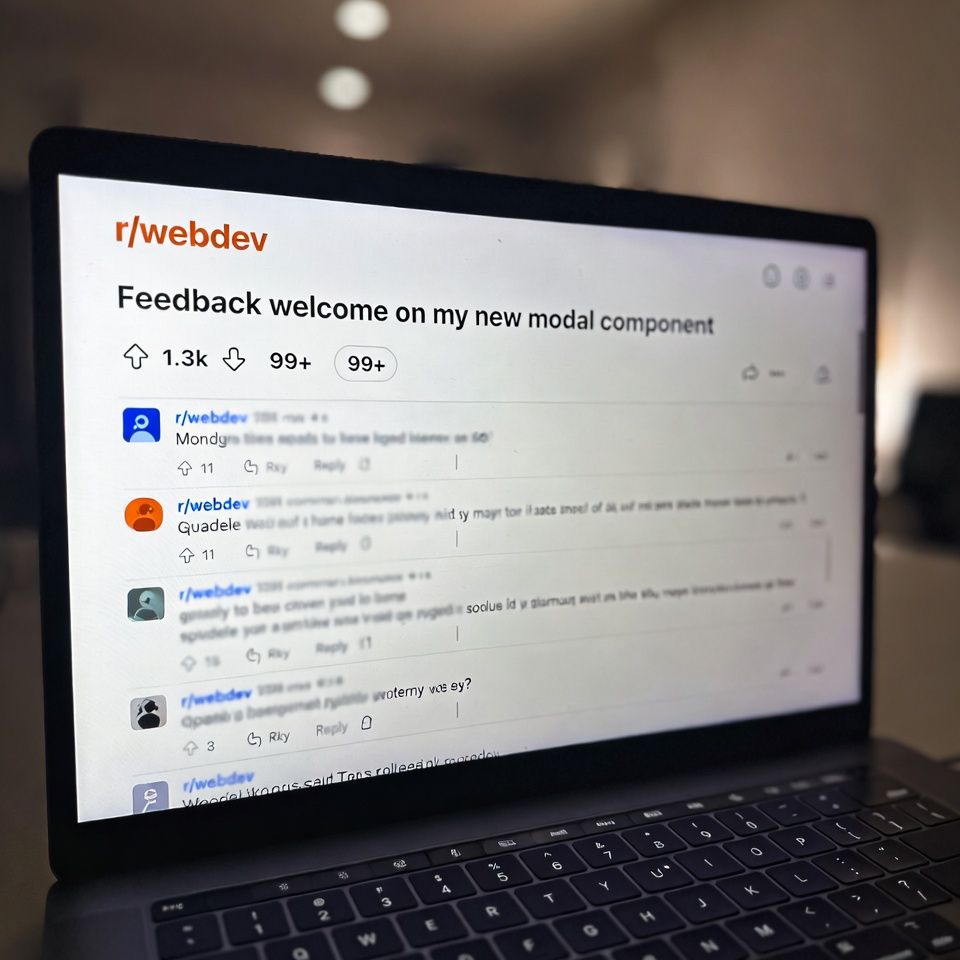
Reddit thrives on visible feedback. Upvotes, comment ranking, and discussion threads create a system where user actions shape what others see. It works because the signals feel direct and understandable. Many developers even treat Reddit communities as informal testing labs, sharing demos and gathering feedback before shipping features. Some workflows mirror what is described in guides about testing JavaScript and HTML projects in real-world communities, where developers post prototypes and invite discussion from experienced users.
That dynamic reveals something useful for frontend design. When users understand how a system works, they interact more confidently.
Designers can apply the same thinking in web interfaces. Consider a simple example. A comment system that instantly shows when feedback is posted creates reassurance. A system that hides actions behind reloads or unclear icons does the opposite.
Discussions around Reddit upvote services often surface this same principle. Visibility drives participation. When signals feel authentic, communities respond with real interaction. When they feel manipulated, users notice. Internet communities are surprisingly good detectives.
Frontend developers should pay attention to that instinct. Interfaces that reveal system behavior openly tend to build stronger user relationships.
Accessibility Is Part of Integrity
Accessibility is sometimes treated like a compliance checklist. Add alt text, check color contrast, move on. That approach misses the deeper point.
Accessibility communicates respect.
The Mozilla Foundation has repeatedly emphasized that inclusive design improves experiences for everyone. Larger click targets help people on mobile devices. Clear typography helps tired eyes after a long workday. Predictable navigation reduces frustration.
Good frontend developers eventually realize something funny. Accessibility improvements rarely hurt the interface. They usually make it better.
Think of it like building a sidewalk ramp. It helps wheelchair users, yes. It also helps travelers with luggage, parents with strollers, and anyone balancing three grocery bags while trying to open a door.
Patterns That Encourage Authentic Interaction
Frontend design can quietly shape behavior. Some patterns invite healthy engagement. Others feel manipulative.
Healthy patterns often include:
- Clear feedback when users take action
- Readable comment and discussion structures
- Simple navigation without hidden controls
- Transparent algorithms or sorting options
These patterns create a sense that the platform is working with the user, not against them.
Compare that with dark patterns. Hidden costs. Forced subscriptions. Disguised buttons. Those tricks might increase short-term metrics, yet they damage long-term loyalty.
Even conversations about Reddit engagement tools often circle back to the same idea. Authentic interaction works better when users feel respected. Once people suspect manipulation, trust erodes quickly. And rebuilding it? That takes forever.
The Quiet Responsibility of Frontend Developers
Frontend developers rarely think of themselves as guardians of trust. The job description usually mentions frameworks, performance optimization, and responsive layouts.
Yet the interface is where users experience the product. It is the handshake, the conversation, the moment when curiosity turns into loyalty.
Studying social platforms, including discussions around services like REDAccs, reveals an unexpected truth. Engagement grows where systems feel honest. When signals appear genuine, users participate freely. When signals feel artificial, communities lose energy.
Integrity in frontend development is not about perfection. It is about intention. Clean code, accessible layouts, transparent interaction design. Those choices quietly tell users, “You can trust this place.”
And that message travels farther than any algorithm tweak or marketing trick ever could.
At the end of the day, JavaScript functions and HTML elements are just tools. The real craft lies in building experiences that respect the humans on the other side of the screen.
Read More
 Media reputation is built and measured online. Every article, video, and post depends on the tools behind the web—mainly JavaScript and HTML. These two programming languages are the backbone of how information appears and interacts with users. Understanding their role helps explain how media brands gain Reputn Media credibility and trust online.